Andrius K. · ProjectsNo. 16 of 18
Engineering · Zeel Networks, New York · 2012–2026
Zeel
Fourteen years, four titles, one codebase: how an on-demand massage site became a healthcare platform without ever being thrown away.
- Roles
- Software Engineer, Senior, Lead, Senior Lead and Engineering Manager
- Scale
- ~18,000 commits; 480,000 lines; 1,000+ test files; 5–8 engineers
- Stack
- PHP, MySQL, AngularJS, React, React Native, Python, FHIR, AWS
- Where
- zeel.com
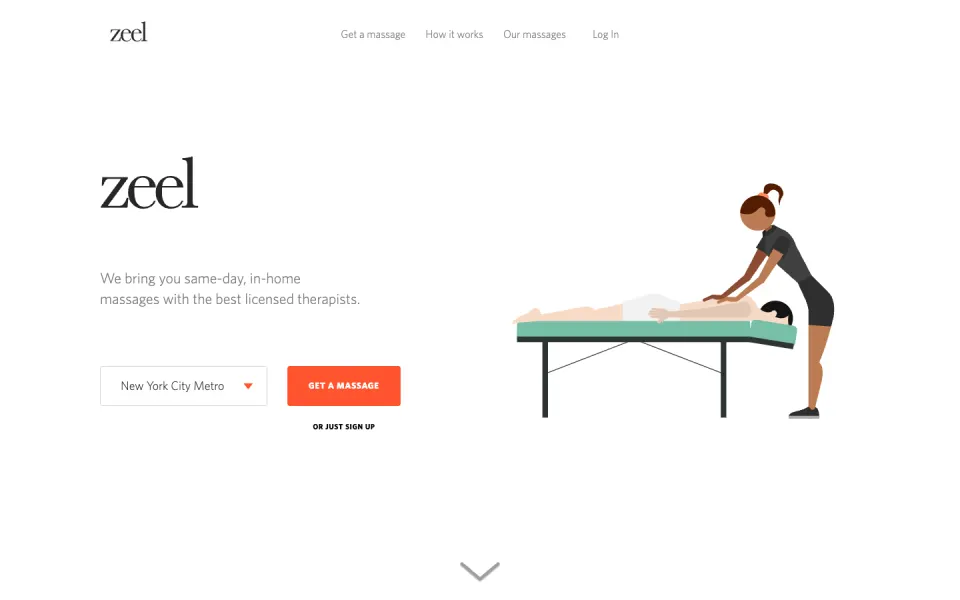
2012: the first site
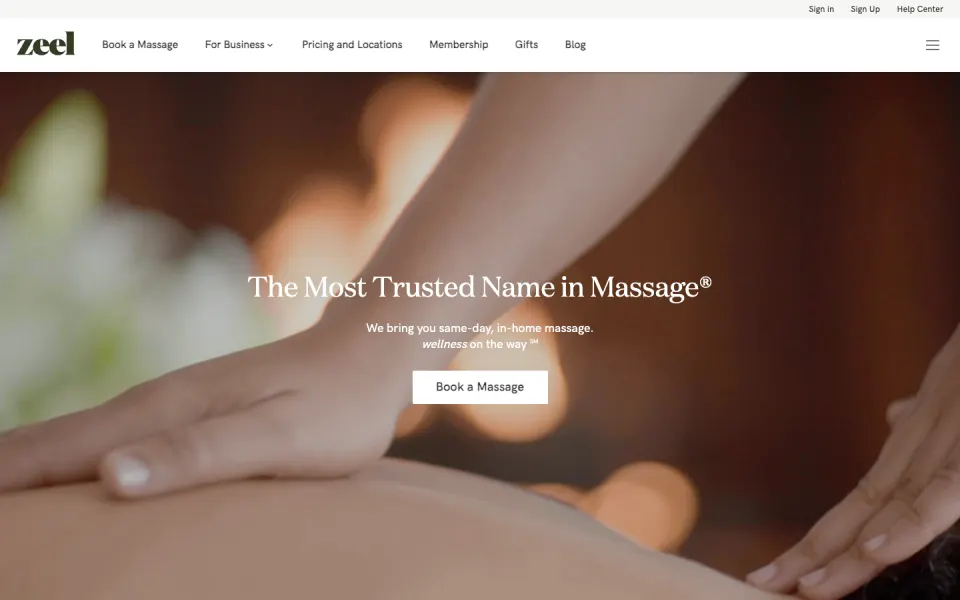
Zeel sends a licensed massage therapist to your home the same day. I joined in May 2012 as the sole front-end developer of the first booking site and took it from zero to a live marketplace in New York City, on PHP, jQuery Mobile and a Sass and Grunt pipeline.
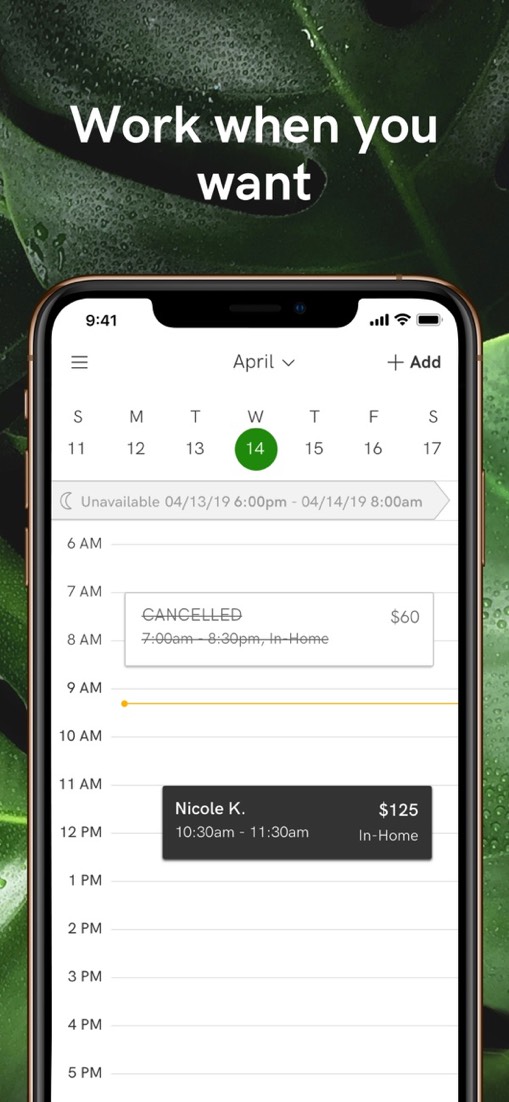
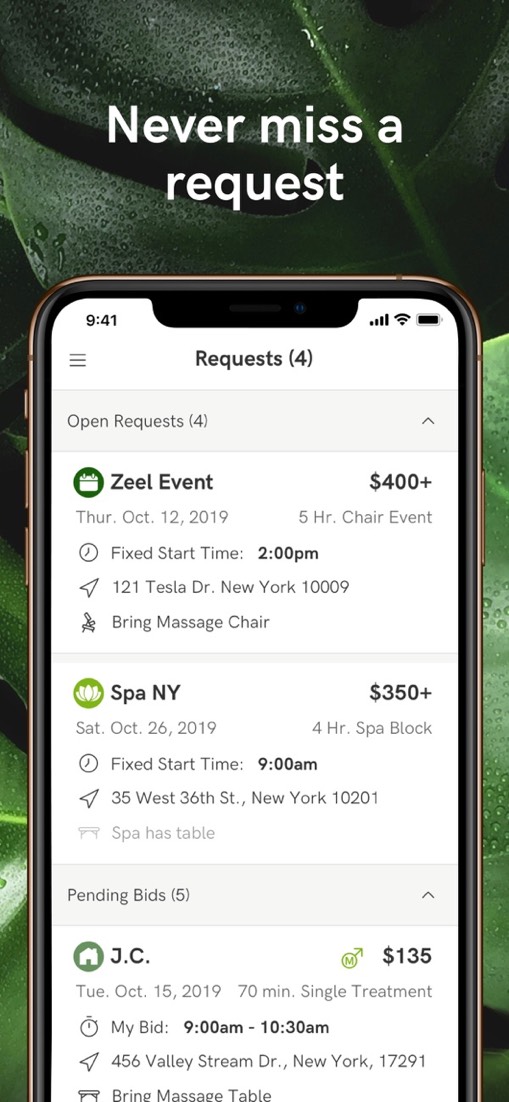
The first year built the first of everything: two-way texting between customers and therapists in real time, a hybrid Android app for office and chair massage, and the daily operations tools for appointments, chair credits, schedules and reports. In 2013 I wrote the first provider app, the one therapists used to take work, in AngularJS on Cordova.
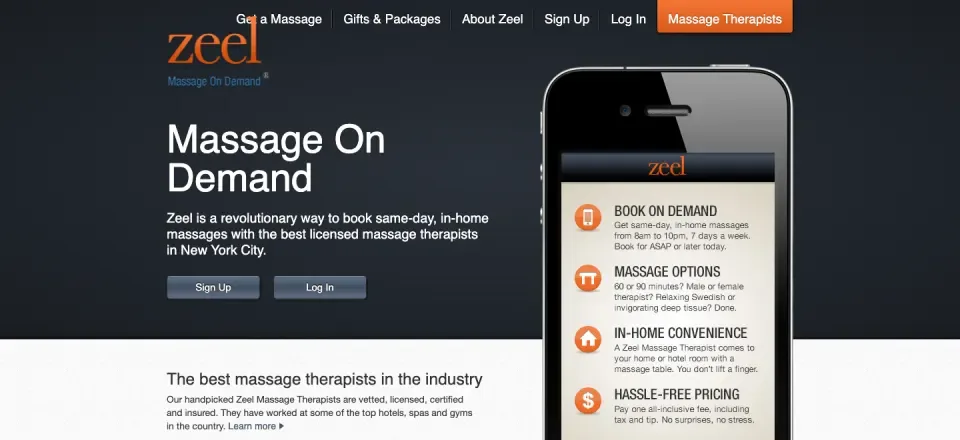
2014: redesigns, subscriptions, Apple Pay
As senior engineer I led the full-stack redesign of the consumer site: the responsive homepage, the booking flow that carries the revenue, the city pricing pages. Zeelot, the first subscription, shipped end to end. Apple Pay went live in 2014; gift cards and packages followed. Twilio did the talking: texts, click-to-call and call queues for member services, and chat between members and therapists.
Underneath, the habits that kept the codebase alive for another decade: PHPUnit, test-driven development, continuous integration, an API test framework, and a home-made ORM I co-wrote and the code still runs on.
One codebase that was never thrown away.
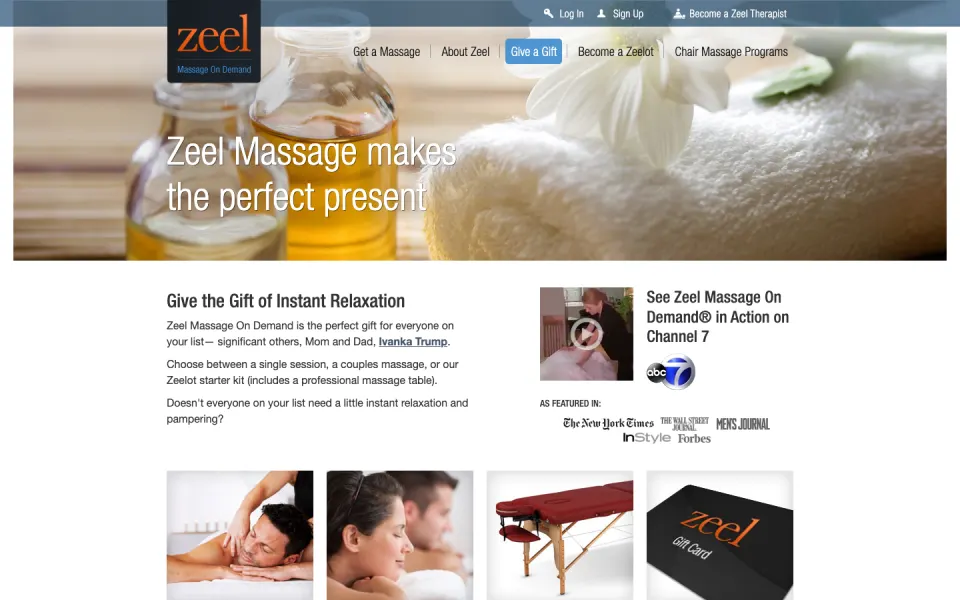
2016: a team and a cloud
Now leading remotely, I built the engineering team from scratch and led the move from Rackspace to AWS: auto-scaling servers, a managed database, automated deploys instead of hand-run releases, and Docker for every developer and every build. Pages got faster, and bookings that slow pages had been losing came back.
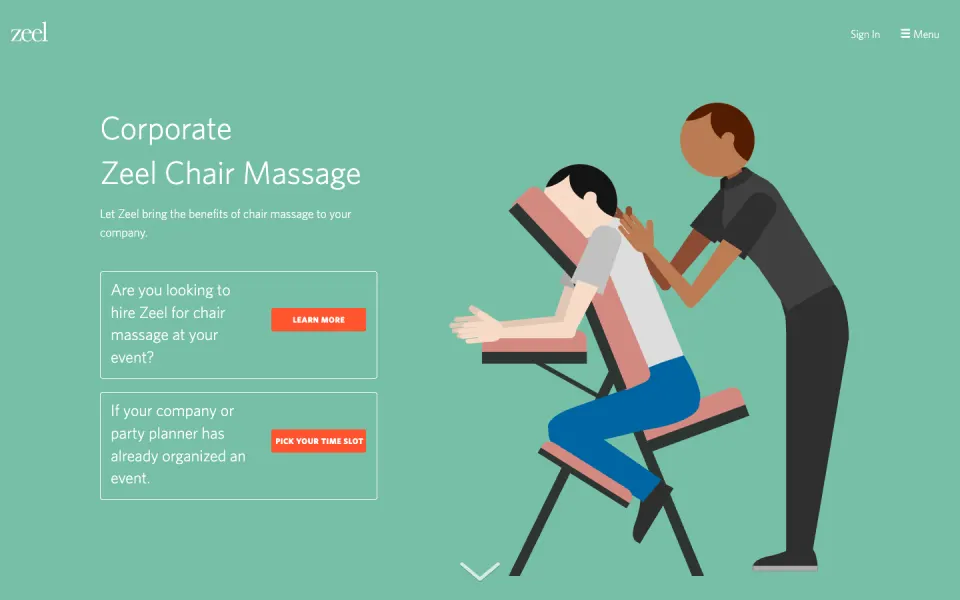
Chair Events opened a new line of business: a self-booking API with Salesforce behind it, for companies that book massage in the office and later for spa partners. PHP 7, a rewritten front end and a migration system that has run over a thousand changes to the database came in the same years.
2018–2026: wellness becomes healthcare
For the last eight years I led all of engineering, five to eight people across regions. We moved the marketplace onto an event-driven platform of Python services with a FHIR clinical record under HIPAA, and connected the PHP core to it rather than rewriting booking and billing. That made room for medical lines from 2020: VA referrals and medical massage, COVID testing and vaccinations, physical therapy, and a study for the Department of Defense.
The customer site moved to React, the provider app to one React Native codebase, payments from Braintree to Fortis in 2024 with Apple Pay and Google Pay and payouts to providers. In 2025 seventeen services and nine libraries became one repository, and the team began working with coding agents under the same rules of tests and review.
Have a project like this? Message me on LinkedIn